

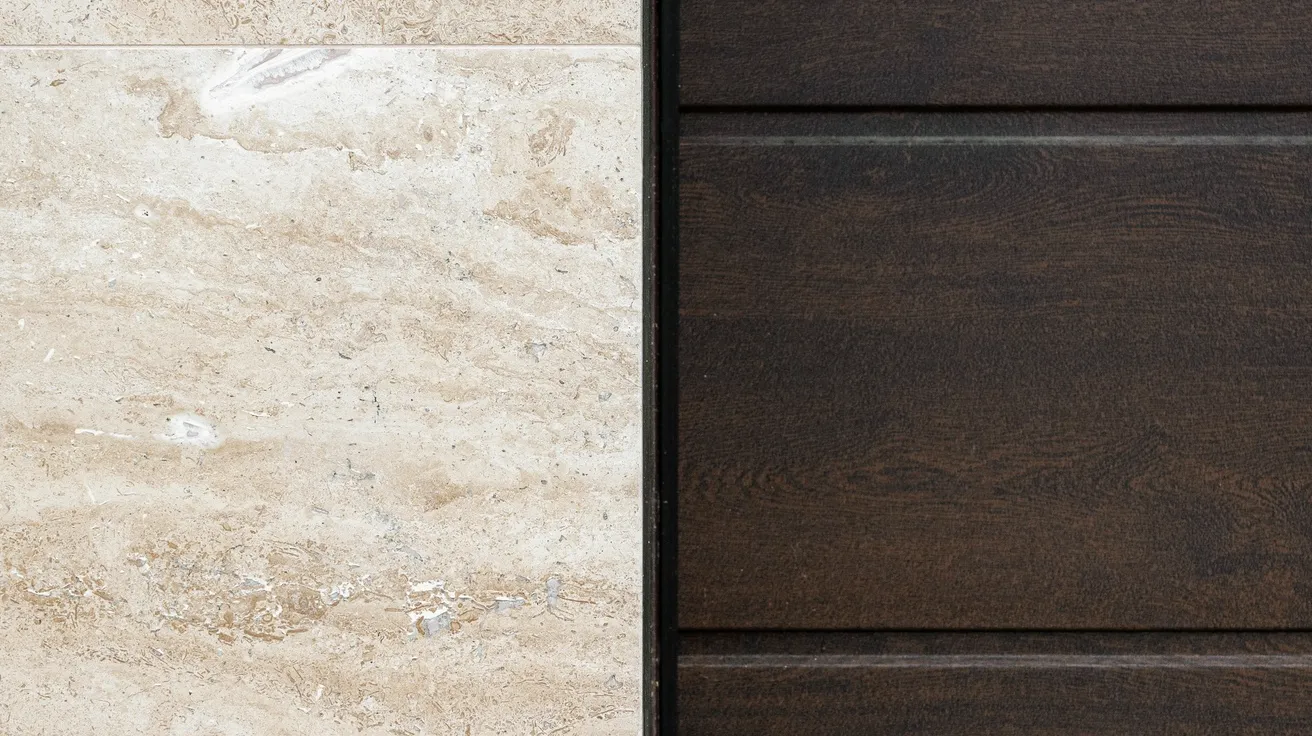
Choosing the right tiles can transform the way your home looks and feels. With so many options available, most homeowners compare ceramic vs vitrified tiles because both offer style, affordability, and versatility. Tiles affect daily comfort, durability, maintenance, and the overall lifespan of your flooring. Ceramic and vitrified tiles differ in strength, finish, water resistance, and suitability for various spaces. These differences guide where each tile works best and how much care it needs. Whether you’re renovating or building, understanding these basics helps you make a confident, practical choice.
What Are Ceramic Tiles?
Ceramic tiles come from natural clay baked at high temperatures. They offer a classic look and are used in kitchens, walls, and low-traffic areas. Among ceramic and vitrified tiles, ceramic tiles are more porous, which means they absorb more water and may not suit wet or heavy-use areas.
However, they remain a favourite because they are affordable, easy to cut, and simple to maintain. You can clean them quickly with mild cleaners, and they come in many colours and finishes.
Their main limitations include lower durability and a higher chance of chipping under pressure, but they work exceptionally well when used in the right spots.
What Are Vitrified Tiles?
Vitrified tiles are made from a blend of clay, silica, and minerals, fused at very high temperatures. This process gives them a glass-like, non-porous structure. When comparing vitrified tiles and ceramic tiles, vitrified tiles stand out for their density, strength, and water-resistance.
They also come in several types, such as double-charged, full-body, and glazed vitrified tiles (GVT). These options give homeowners a wide range of finishes—from subtle stone textures to glossy premium looks. Their durability makes them ideal for high-traffic areas, commercial spaces, bathrooms, outdoor zones, and living rooms where appearance and strength both matter.
Key Differences – Ceramic vs. Vitrified Tiles
To understand ceramic vitrified tiles difference, let’s look at every vital factor in a practical way.
Durability & Strength
Vitrified tiles are naturally stronger and denser. They handle foot traffic, furniture dragging, and moisture exposure without losing shine or strength. Ceramic tiles, on the other hand, suit low-traffic rooms like study areas, bedrooms, or walls. If you expect heavy usage, vitrified tiles offer far more long-term value.
Water Absorption
Ceramic tiles absorb more water, which is why experts avoid them for bathrooms or balconies. Vitrified tiles absorb almost no water, making them perfect for wet areas and spill-prone zones such as kitchens, laundry rooms, and outdoor sit-outs.
Appearance & Finish
Ceramic tiles are available in matte and glossy finishes, ideal for a warm, traditional look. Vitrified tiles win when you want a modern, seamless feel because they come in polished, textured, matte, high-gloss, and even stone-like finishes. Their variety makes them suitable for open living spaces, dining areas, and contemporary home designs.
Installation Process
Ceramic tiles are easier to cut and install, reducing labour costs. They work well for projects that require quick installations. Vitrified tiles require expert handling because they are harder to cut and need strong adhesives. A good installer ensures level surfaces and clean joints.
Maintenance & Cleaning
Vitrified tiles resist stains, scratches, and water marks, making them easier to maintain daily. Ceramic tiles may need periodic sealing depending on the finish, especially in homes with young children or pets. If you want a low-maintenance home, vitrified tiles make your routine easier.
Cost Comparison
There is a solid cost difference between ceramic and vitrified tiles. Ceramic tiles cost less upfront, which helps when you’re working within a tight budget. Vitrified tiles cost more, but they last longer, require less maintenance, and stay brighter for years. So even though the initial spend is higher, you get better long-term value.
Ceramic vs Vitrified Tiles: Usage Suggestions
Your home has different needs in different areas, so choosing the right tile for each space helps you get the best performance.
- Living rooms: Vitrified tiles are best for durability and aesthetic appeal.
- Bathrooms & kitchens: Use vitrified tiles for floors and ceramic tiles on walls.
- Balconies & outdoor areas: Vitrified tiles perform better because they resist moisture and weather changes.
- Low-traffic rooms like guest bedrooms: Ceramic tiles are a smart and budget-friendly pick.
This room-wise approach keeps your home practical, stylish, and easy to maintain.
Pros and Cons Table
| Feature | Ceramic Tiles | Vitrified Tiles |
| Durability | Moderate | High |
| Water Absorption | High | Low |
| Finish Options | Glossy, Matte | Glossy, Matte, Textured |
| Price | Low | Moderate-High |
| Areas of Use | Walls, Low-Traffic Floors | Floors, Bathrooms, Outdoor |
| Lifespan | 5–10 years | 15–20 years |
| Maintenance | Moderate | Easy |
How to Choose Between Ceramic and Vitrified Tiles
The right tile depends on your lifestyle, space, and budget. Here’s a quick checklist on how to identify ceramic and vitrified tiles:
- Choose vitrified tiles for high-traffic areas
- Pick ceramic tiles for budget-friendly flooring
- Use vitrified tiles in wet areas
- Select ceramic tiles for wall installations
- Go for vitrified tiles when you want a premium, modern finish
- Choose ceramic tiles for quick installation
Ceramic vs Vitrified Tiles Price Chart (India)
| Tile Type | Price (per sq. ft.) | Maintenance Level | Best For |
| Ceramic | ₹40–₹120 | Moderate | Walls, Low-traffic Floors |
| Vitrified | ₹80–₹250 | Easy | Floors, Bathrooms, Outdoor, Commercial |
Common Mistakes to Avoid
- Choosing tiles only because they look attractive.
- Ignoring slip resistance in bathrooms and balconies.
- Not considering sunlight exposure in outdoor areas.
- Picking tile sizes that do not match the room proportions.
Conclusion
Whether you choose ceramic or vitrified tiles, the goal is to create a home that looks beautiful, feels comfortable, and stays practical for years. Ceramic tiles give you affordability and flexibility, while vitrified tiles offer durability, elegance, and long-term value. If you select tiles based on traffic, moisture levels, and finish preferences, your home will stay stylish and easy to maintain.
Want expert help picking the right tiles for your home? Visit Purva Streaks and explore interiors designed to match your lifestyle, budget, and vision.
FAQs
Are vitrified tiles stronger than ceramic tiles?
Yes, they are denser and more durable.
Which tile is better for bathroom flooring?
Vitrified tiles work best due to low water absorption.
Do vitrified tiles chip easily?
They are harder and more chip-resistant than ceramic tiles.
Are ceramic tiles waterproof?
No, they absorb more water and suit walls better than floors in wet areas.
Which tile is more budget-friendly?
Ceramic tiles cost less and fit well in low-traffic rooms.
Can both tile types be used on walls?
Yes, but ceramic tiles are more commonly used for walls.