
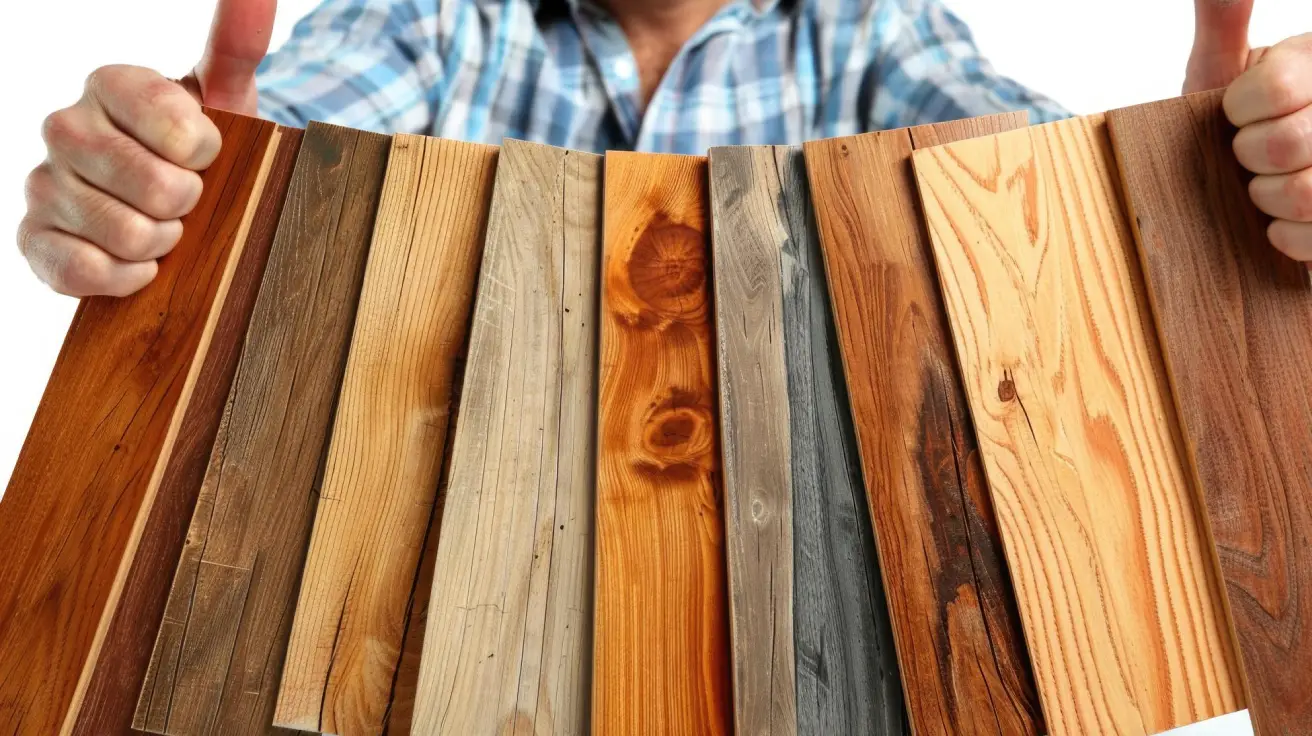
Choosing the right wood can completely change how your home feels, functions, and lasts over the years. When you invest in furniture, you want strength, beauty, and value that lasts for decades. That’s why understanding which wood is best for furniture becomes so essential for every Indian household. Different woods behave differently in heat, humidity, and day-to-day usage. Some offer timeless durability, while others bring unique grains and modern aesthetics.
Before exploring the different types of wood, it’s helpful to know the difference between soft and hardwood. Hardwoods are strong and long-lasting, while softwoods are lighter, affordable, and easier to work with. Some woods suit indoor use, while others handle outdoor conditions better. Understanding this makes choosing the right wood much easier.
Factors to Consider Before Choosing Wood
There are different types of wood for furniture. To ensure your furniture stays beautiful and functional for years, consider these key factors:
Durability and Strength
Your furniture should handle daily wear without losing its charm. Hardwoods like teak and sheesham offer superior strength, holding weight well and lasting for decades.
Moisture Resistance
If you live in a coastal or humid region, moisture resistance is critical. Tropical climates can affect wood movement and lifespan, so select woods that resist warping and swelling.
Termite and Pest Resistance
Termites can damage furniture quickly. Naturally oily woods, such as teak, provide excellent protection, while other types may require chemical treatments.
Finish, Texture, and Grain Patterns
The look and feel of wood matter as much as durability. Rich grains add warmth to traditional interiors, while smooth textures suit modern, contemporary designs.
Budget and Maintenance
Some woods come at a premium, while others are more affordable without compromising quality. Factor in long-term maintenance costs to get the best value.
Indoor vs Outdoor Use
Different woods perform better in different spaces. Consider where the furniture will be placed—living rooms, bedrooms, kitchens, or outdoor areas—to ensure it withstands the environment.
Types of Wood for Furniture in India
India offers a stunning variety of hardwoods and softwoods, each with unique qualities. Before looking at individual types, it’s helpful to understand that availability and climate shape what works best for Indian homes. Teak remains the gold standard, but many modern buyers prefer economical, eco-friendly options like mango and acacia wood. You’ll also find comparisons like neem wood vs teak wood, sheesham wood vs acacia wood, or mango wood vs teak trending among buyers. Let’s explore each one in detail.
Teak Wood
Teak stands at the top because of its exceptional strength and durability. It naturally resists termites, moisture, and warping thanks to the natural oils in its fibres. This makes it ideal for both indoor and outdoor furniture where weather or heavy usage might be a concern. If you want premium beds, dining tables, or deck chairs that last for decades, teak rarely disappoints.
Its only drawback is the cost. Teak sits in the high-end bracket, but the longevity often justifies the investment.
Sheesham Wood (Indian Rosewood)
Sheesham offers a wonderful balance between affordability and quality. So, how to identify sheesham wood? It’s a strong hardwood with beautiful grains that range from golden brown to deep reddish tones. Many homeowners pick sheesham for beds, cabinets, dining tables, and traditional Indian furniture.
When comparing sheesham wood vs acacia wood, sheesham offers richer grains, while acacia is denser and more moisture-resistant. Both perform well, but sheesham’s visual warmth makes it a favourite for interiors.
Mango Wood
Mango wood is popular among eco-conscious buyers because it comes from trees that stop bearing fruit after a certain age. It’s affordable, lightweight, and showcases unique patterns that look stunning in modern homes. If you wonder is mango wood good for furniture, the answer depends on usage. It works beautifully for decorative and occasional furniture—TV units, accent tables, bookshelves—but may not match the long-term strength of teak or sheesham.
When looking at mango wood vs sheesham wood, mango wins on budget and sustainability, while sheesham wins on strength.
Oak Wood
Oak has earned its place in contemporary Indian homes because of its strength and clean, elegant appearance. Its tight grain gives furniture a structured look, making it perfect for modern beds, dining sets, and wardrobes. Oak handles wear and tear with ease, making it ideal for homes where everyday use is high. Though it sits in the higher price bracket, its durability and timeless finish make it a reliable long-term choice.
Walnut Wood
Walnut is known for its deep, dark colour and luxurious texture. If you want sophisticated, premium furniture, walnut delivers a stunning finish that stands out instantly. It’s commonly used for high-end tables, chairs, and statement pieces that elevate the room. Walnut falls in the premium category, so the cost remains one of its biggest considerations. But in return, it gives unmatched richness and style.
Pine Wood
Pine is one of the most affordable softwoods available. It’s lightweight, easy to work with, and perfect for kids’ furniture, décor pieces, or rustic-style interiors. When comparing pine wood vs teak wood, pine is far more budget-friendly, but it also requires more care because it’s softer and less moisture-resistant. If you want something economical and simple, pine works well indoors away from humidity.
Engineered Wood Options (MDF, HDF, Plywood)
Engineered wood offers practical and cost-effective solutions for modern homes. MDF and HDF work well for shelves, cabinets, and units that don’t need the heavy strength of solid wood. Plywood remains a favourite for kitchen cabinets thanks to its stability and layered structure. If you wonder is engineered wood good, the answer is yes—when used in the right place.
The only limitation is longevity. Engineered wood doesn’t last as long as solid wood, but the affordability and smooth finish make it a great choice for budget furniture.
Solid Wood vs Engineered Wood – Which Is Better?
Both options serve different needs. Solid wood offers superior strength, longevity, and natural beauty. It handles weight better and ages gracefully. Engineered wood, on the other hand, gives you cost savings and uniform finishes, making it ideal for wardrobes and cabinets.
If you’re decorating luxury spaces or want furniture that lasts decades, solid wood wins. For budget-friendly interiors or moisture-prone areas like kitchens, engineered wood delivers excellent value.
Best Wood for Different Types of Furniture
Different furniture pieces need different levels of strength and aesthetic appeal. Here’s a quick guide to help you choose the best option for each category.
Beds
Beds need high load-bearing strength. Teak, sheesham, and oak offer the support and longevity required for daily use.
Wardrobes
Plywood with laminates works best for wardrobes because of its stability and affordability. For premium wardrobes, oak and sheesham offer excellent durability.
Sofas & Chairs
If you want the best wood for chairs, teak, walnut, and oak stand out. They handle weight well and retain shape over time.
Dining Tables
When choosing the best wood for dining table, homeowners prefer sheesham and teak for durability. Mango wood works well for stylish budget options.
Kitchen Cabinets
BWP and BWR plywood remain the standard choices. They resist moisture and hold up well in kitchen environments.
Outdoor Furniture
Outdoor spaces need moisture-resistant wood. Teak, eucalyptus, and acacia perform best. If you wonder is acacia wood good for furniture, especially outdoors, the answer is yes. It resists weather and retains strength.
Wood Durability & Strength Comparison Table
| Wood Type | Durability | Moisture Resistance | Termite Resistance | Cost | Best Use |
| Teak | Very High | High | Excellent | High | Premium & Outdoor |
| Sheesham | High | Medium | Good | Moderate | Beds, Cabinets |
| Mango | Medium | Medium | Fair | Low | Occasional Furniture |
| Oak | High | High | Good | High | Contemporary Furniture |
| Pine | Medium | Low | Moderate | Low | Kids’ Furniture |
| Engineered Wood | Medium | Medium | Variable | Low | Cabinets, Shelves |
Tips to Identify Good Quality Wood
- Observe natural grain patterns and check for consistent colour.
- Perform a tap test—solid wood produces a deeper, fuller sound.
- Consider the weight; hardwoods feel heavier and more durable.
- Ensure the wood is properly seasoned to avoid moisture-related issues.
- Opt for certified wood from reliable brands for guaranteed quality.
Common Mistakes to Avoid
- Avoid choosing furniture based solely on price.
- Consider climate and humidity, as wood reacts to the environment.
- Do not use softwood for furniture meant to hold heavy loads.
- Always evaluate durability ratings and finishes before purchasing.
- Research beforehand to select furniture that lasts longer.
Conclusion & CTA
Choosing the right wood shapes not just your interiors but also the comfort and durability you enjoy every day. Teak, sheesham, oak, and mango each bring unique strengths to Indian homes, while engineered wood remains a smart choice for cost-effective interiors. When you understand how each type performs, you can pick furniture that supports your lifestyle and lasts for years.
Want furniture that lasts for years and elevates every corner of your home? Visit Purva Streaks now and transform your space with expert-crafted interiors.
FAQs
Which wood lasts the longest?
Teak lasts the longest thanks to its natural oils and resistance to moisture, decay, and termites.
Which wood is best for furniture in Indian climate?
Teak, sheesham, and oak work very well in varied Indian conditions.
Is teak worth the high price?
Yes, because it offers unmatched durability and longevity.
Which wood is best for budget furniture?
Mango, pine, and engineered wood provide great value.
Is engineered wood durable?
It’s durable enough for cabinets and shelves, though it won’t match solid wood’s lifespan.